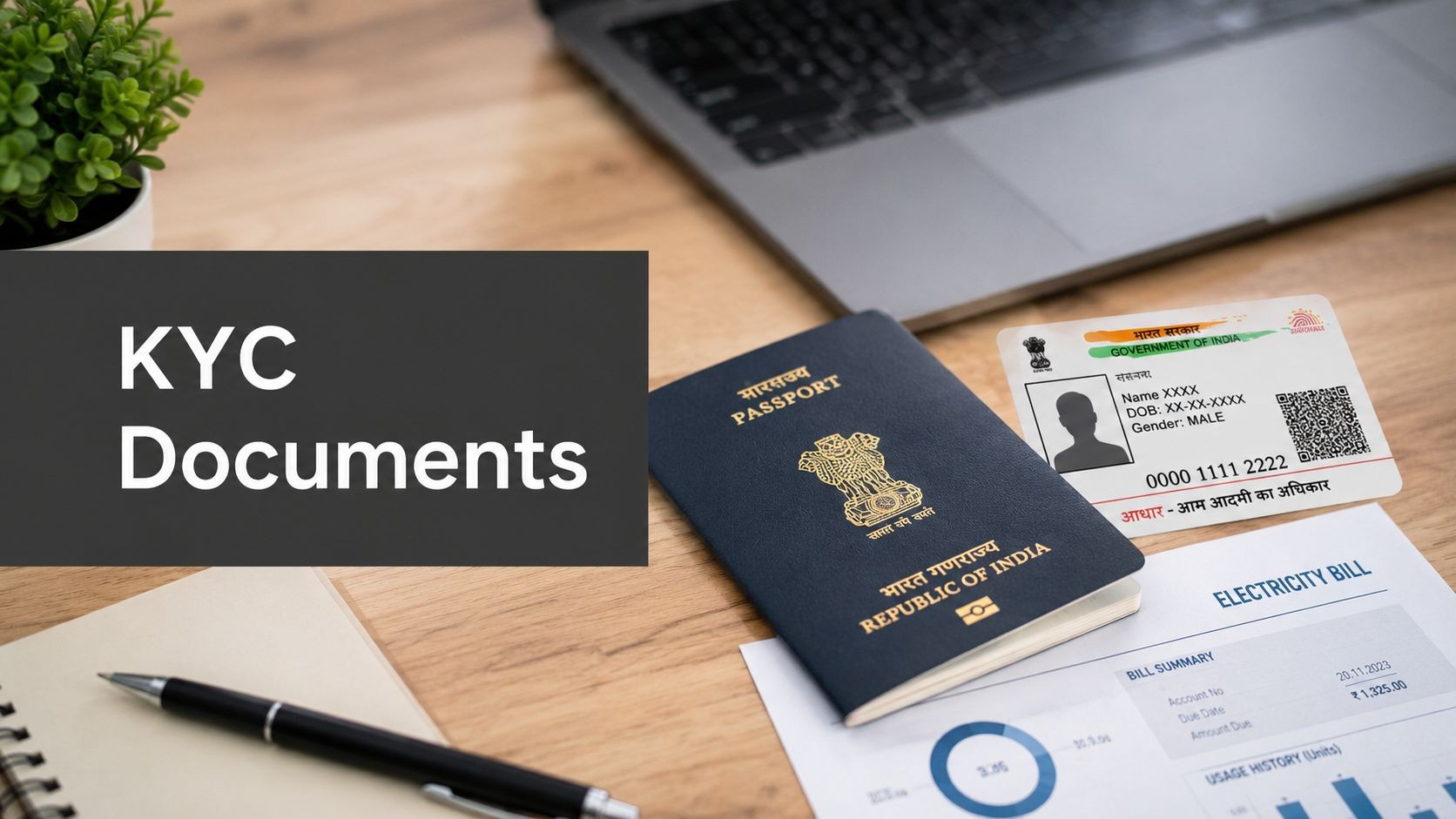
You open a new brokerage account, and the firm immediately asks for a copy of your driver's license, a recent utility bill, your Social Security or tax information, and details about your finances. Many investors assume this is just bureaucracy. It isn't.
Those requests sit at the center of KYC documentation requirements, short for Know Your Customer. In theory, the process protects the financial system from money laundering and identity fraud. In practice, it also protects you. A broker who doesn't know who you are, where you live, and what kind of investor you are has no business recommending securities, alternative investments, or private placements to you.
From a securities litigation perspective, weak KYC is often an early warning sign. Firms that cut corners on account opening paperwork may also cut corners on suitability review, supervision, trading authority, and fraud prevention. When investors lose money, those failures can matter. They may help show that the firm ignored its legal duties from the start.
What KYC Means for You as an Investor
KYC means a financial firm must identify you, verify key facts about you, and gather enough information to understand the account it is opening. That sounds technical, but the investor-side point is simple. A broker is supposed to know who is sitting across the table before handling that person's money.
Why the paperwork matters
The process often starts with document collection, but it shouldn't end there. A competent firm uses that information to evaluate whether the account is being opened by the actual customer, whether the address is legitimate, whether the source of funds makes sense, and whether the account profile supports the investments being recommended.
If you want a plain-English overview of how Know Your Customer compliance works, that resource is useful background. For the investor side of the brokerage relationship, FINRA's own expectations also matter, and investors dealing with broker misconduct should understand the role of the FINRA Know Your Customer rule.
Why investors should pay attention to broker behavior
A careful KYC process is inconvenient. That's normal. What isn't normal is a broker who treats the process like a meaningless formality.
Watch how the firm behaves when opening the account:
- If it asks for standard identification promptly, that usually reflects a functioning compliance process.
- If it shrugs off missing information, that can indicate poor supervision.
- If it recommends products before your profile is complete, that's a serious concern.
- If it changes your financial profile without a clear reason, that may point to a suitability problem.
Practical rule: Good KYC feels thorough. Bad KYC feels rushed, casual, or oddly selective.
Investors sometimes think a broker is being helpful when the broker says, “Don't worry about that form,” or “We can fill that in later.” In my experience, that attitude can become expensive. The same firm that ignores account-opening controls may later claim you approved a risk level, time horizon, or trading strategy that you never fully understood.
Understanding KYC is the first step toward spotting misconduct before it gets worse. If you would like a free consultation to discuss the investment loss recovery process in more detail, call Kons Law Firm at (860) 920-5181 for a FREE, NO OBLIGATION consultation.
The Legal Foundation for KYC Requirements
KYC is not a courtesy. It is a legal obligation rooted in federal law and industry rules. The two statutes investors hear about most often are the Bank Secrecy Act and the USA PATRIOT Act. Together, they require financial institutions to establish customer identification procedures and take reasonable steps to verify who they are dealing with.
What the law actually requires
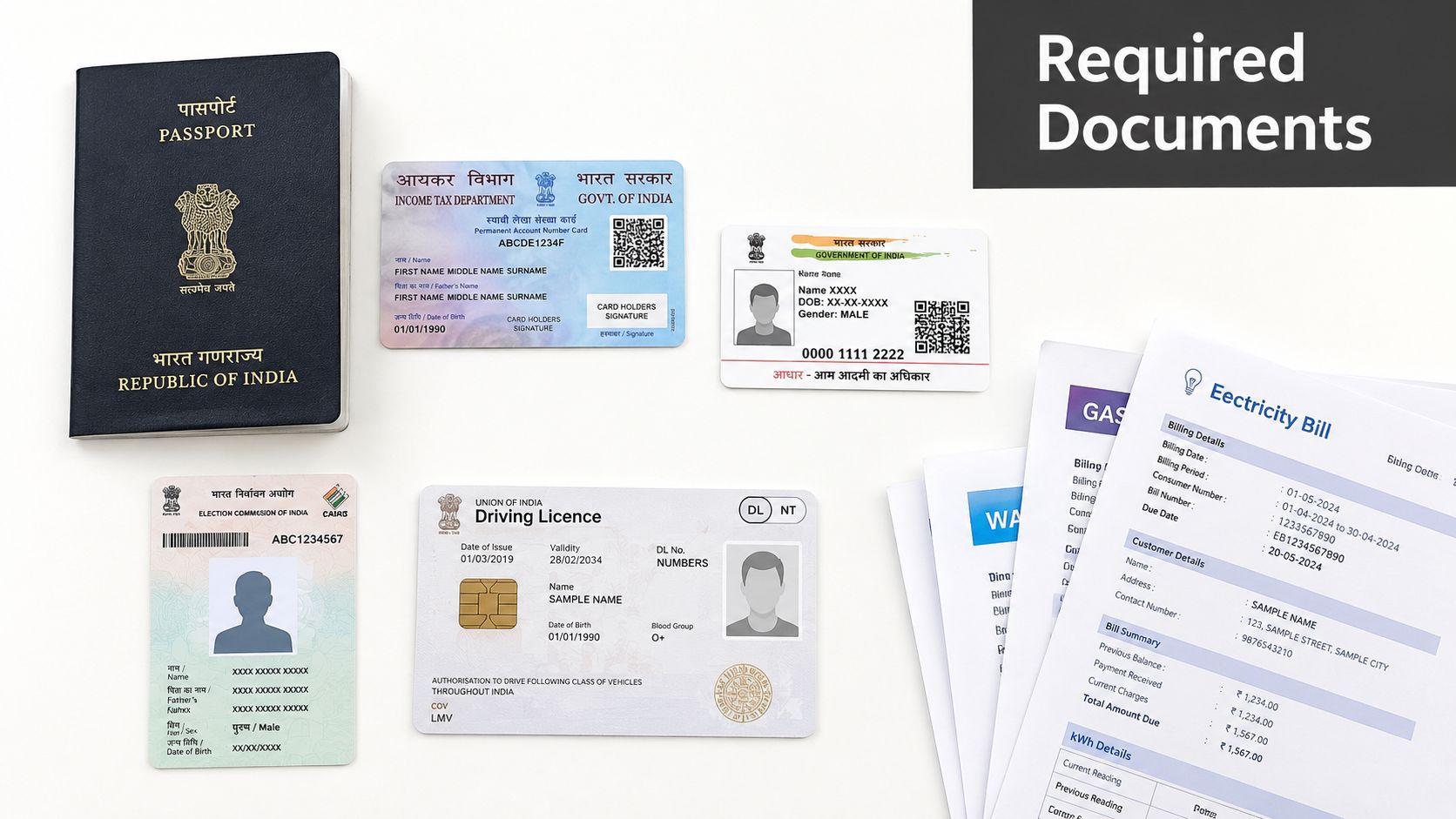
Under the U.S. Bank Secrecy Act and the Patriot Act, financial institutions must collect four verified data points for KYC compliance: the customer's legal name, date of birth, residential address, and a government-issued identification number. Institutions must also identify any person who owns at least 25% of a legal entity, with enhanced scrutiny for high-risk entities where the ownership threshold may be lowered to 10% or even 1%, as described in this KYC guide to compliance.
That legal framework matters because it shows what a broker cannot plausibly dismiss as optional. A firm that never verified basic identity information did not just overlook paperwork. It failed at a foundational compliance task.
For investors trying to understand the broader enforcement environment, it helps to review how the SEC and FINRA oversee brokerage conduct.
Why this matters in a loss case
A doctor should not prescribe treatment without a patient history. A broker should not recommend investments without a verified customer profile. The logic is the same. The professional needs reliable information before making decisions that affect the client.
When a firm ignores KYC, several legal theories may come into play:
| Issue | Why it matters to an investor |
|---|---|
| Identity verification failure | The firm may have allowed unauthorized activity or account misuse. |
| Missing customer profile | Recommendations may have been unsuitable from the outset. |
| Weak entity review | Fraud can hide behind trusts, LLCs, and layered ownership. |
| Poor supervision | The firm may have failed to enforce its own procedures. |
A KYC failure doesn't automatically prove fraud, but it often helps explain how the misconduct happened and why the firm should have stopped it.
That is why these rules matter in arbitration and litigation. They establish a baseline. Once you know the baseline, you can start comparing it to what your broker did.
A Checklist of Standard KYC Documents
Most investors want a straightforward answer to one question: what documents am I supposed to provide? The answer depends on the account type, the jurisdiction, and the firm's risk assessment, but the standard list is usually familiar.
Identity documents
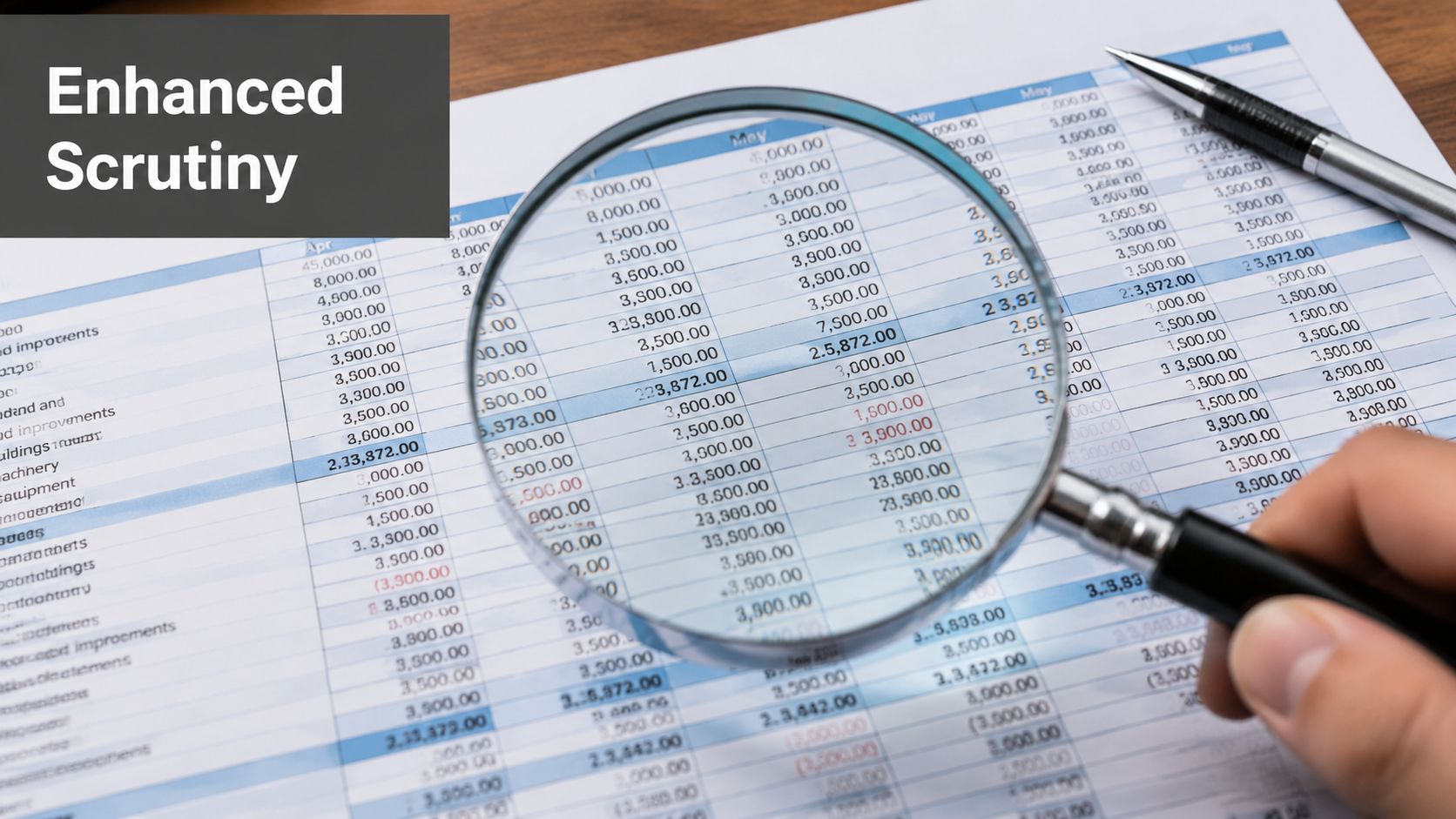
For individuals, firms typically begin with primary identity documents. According to Incode, individuals must provide primary identification such as a valid passport, driver's license, or national ID card, along with proof of address such as a recent utility bill, bank statement, or lease agreement. Additional verification like a Social Security number or tax ID may also be required, and minors may need a birth certificate, guardian's ID, and proof of guardianship, as outlined in this overview of KYC documents for verification.
That baseline lines up with what many brokerage firms request during account opening.
A practical way to think about it is this:
- Passport, driver's license, or national ID card proves you are a real person with a recognized identity document.
- A current, legible copy matters because expired or blurry documents create obvious verification problems.
- Consistency across forms matters because mismatched names, initials, or addresses trigger review.
Address verification
Proof of address frustrates investors more than almost any other requirement. They often ask why a broker needs a utility bill when the investor already handed over a government ID.
The answer is that address serves a separate purpose. It helps establish where the customer resides and whether the account profile makes sense. That information can affect tax reporting, jurisdictional review, and fraud detection.
Common examples include:
- Utility bill if it shows the customer's name and current residence.
- Bank statement when it is recent and matches the application.
- Lease agreement for customers who don't receive utilities in their own name.
If the firm asks for proof of address, that is usually standard. If the firm never asks, that should make you pause.
Financial and account-profile documents
KYC is not limited to identity. Brokers also need enough information to understand the customer relationship. That often means collecting tax information, employment details, and information about assets, income, liquidity needs, or investment objective.
The firm's records under FINRA Rule 4512 on customer account information become important here because they often reveal what the broker recorded about your profile and whether those entries matched reality.
Here's what usually works best from the investor side:
- Review every field before signing. Investors often focus on the signature line and miss a risk tolerance or net worth entry that was overstated.
- Correct inaccurate assumptions immediately. If the broker listed speculative objectives when you wanted income or preservation, fix that before funding the account.
- Keep copies of what you submitted. In disputes, the paperwork trail matters.
The most damaging KYC document is often not the missing one. It's the inaccurate one that the investor never noticed until after the loss.
Special situations
Not every account is opened by a single adult investor with a simple profile. Firms may ask for additional records when the account involves:
- Minors, where guardianship must be documented.
- Trusts, which often require trust certificates or trustee authority documents.
- Retirement accounts, where beneficiary and tax details matter.
- Joint accounts, where each owner must be properly identified.
The practical takeaway is simple. Standard KYC documentation requirements aren't a sign of suspicion. They're the minimum a serious firm should do before taking your money.
Enhanced Due Diligence and Corporate Accounts
Standard KYC works for many retail accounts. Some relationships require more. That is where enhanced due diligence, often called EDD, comes in.
EDD applies when the risk is higher, the ownership structure is less transparent, or the transaction pattern raises questions. In the investor world, this becomes especially important in private placements, non-traded REITs, business development companies, foreign issuers, trusts, and accounts opened through entities rather than individuals.

When firms should dig deeper
Not every customer presents the same level of risk. Some accounts involve larger transactions, more complicated beneficial ownership, or jurisdictions with different documentation standards.
For example, in Colombia, KYC regulations are less stringent for smaller transactions and eliminate due diligence on transactions up to $5,000, while transactions above that threshold require full identification of natural and legal entities, as discussed in this summary of global KYC standards. The broader lesson is not about Colombia alone. It is that monetary thresholds and risk categories can change the scope of required review.
That matters when a broker handles foreign money flows or complex alternative investments. A serious firm should not treat every account the same.
Why UBO review matters
For corporate, trust, and LLC accounts, the central question is often who owns or controls the entity. That person is the ultimate beneficial owner, or UBO.
A firm that stops at the entity name may miss the true actor behind the account. That is how opaque structures can conceal conflicts, misconduct, or outright fraud.
In practice, stronger review usually includes attention to:
- Formation documents, so the firm knows the entity legally exists.
- Ownership records, so it can trace who benefits from the account.
- Control persons, including signers and decision-makers.
- Sanctions screening, especially when funds or owners touch foreign jurisdictions.
For investors trying to understand one piece of that screening process, this guide to OFAC checks is a useful primer on sanctions-related review.
A broker who sells a complex product tied to a layered corporate structure should be able to explain who controls the entity and how the firm verified that information.
Where firms get into trouble
EDD breaks down when the broker wants the sale more than the facts. That is common in products with high commissions or opaque structures. The paperwork may look complete at a glance, but key ownership records are stale, missing, or never independently checked.
When that happens, the KYC failure isn't abstract. It may be the reason the fraudulent or unsuitable investment got through the gate in the first place.
Red Flags in Your Broker's KYC Process
Most investors don't see KYC as a warning system. They should. The account-opening phase often reveals how the broker and the firm handle rules when no one is yet complaining.
A careful broker usually asks questions that feel repetitive. An unsafe broker often does the opposite. He rushes through the profile, minimizes the importance of documents, and pivots quickly to the product he wants to sell.
Warning signs that deserve attention
According to a Global Financial Inclusion and Consumer Protection survey, 75% of financial jurisdictions worldwide require proof of address as a mandatory KYC documentation requirement, which underscores how basic that check is in financial onboarding, as noted in this CGD survey discussion of customer identification requirements. If a broker ignores something that fundamental, investors should treat it as a serious red flag.
Here are common patterns that concern me:
- The broker says the forms “aren't a big deal.” They are a big deal. Downplaying required information often signals that the firm values speed over accuracy.
- The broker fills in financial details for you. If you didn't provide the net worth, liquid assets, investment objective, or risk tolerance shown on the form, the profile may have been manipulated.
- Recommendations arrive before verification is finished. A broker shouldn't be steering you into products before basic onboarding is complete.
- Missing documents don't trigger follow-up. If nobody asks for the absent identification or address record, compliance may be weak or disengaged.
- The broker seems more interested in account funding than account accuracy. That is often where unsuitable sales begin.
Independent checks investors can make
A broker's polished presentation can distract from obvious compliance gaps. Investors should verify the professional and the firm independently.
One starting point is broker licensing and registration. This Alpha Scala broker verification overview explains the basic idea of checking whether a broker is properly licensed before trusting account-opening representations.
You should also compare what the broker said with what the documents show:
| What you were told | What to verify |
|---|---|
| “This is a conservative investment.” | Does your account form actually list conservative objectives and low risk tolerance? |
| “We can update the details later.” | Why wasn't the profile completed before the recommendation? |
| “This entity investment is routine.” | Who owns the entity, who controls it, and was that documented? |
If a broker is casual about identity verification, be cautious about every other representation that follows.
A rushed KYC process doesn't prove your broker stole from you. It does show the firm may have ignored the controls designed to prevent unsuitable recommendations, unauthorized trading, and abuse of vulnerable investors.
How Flawed KYC Can Lead to Investment Losses
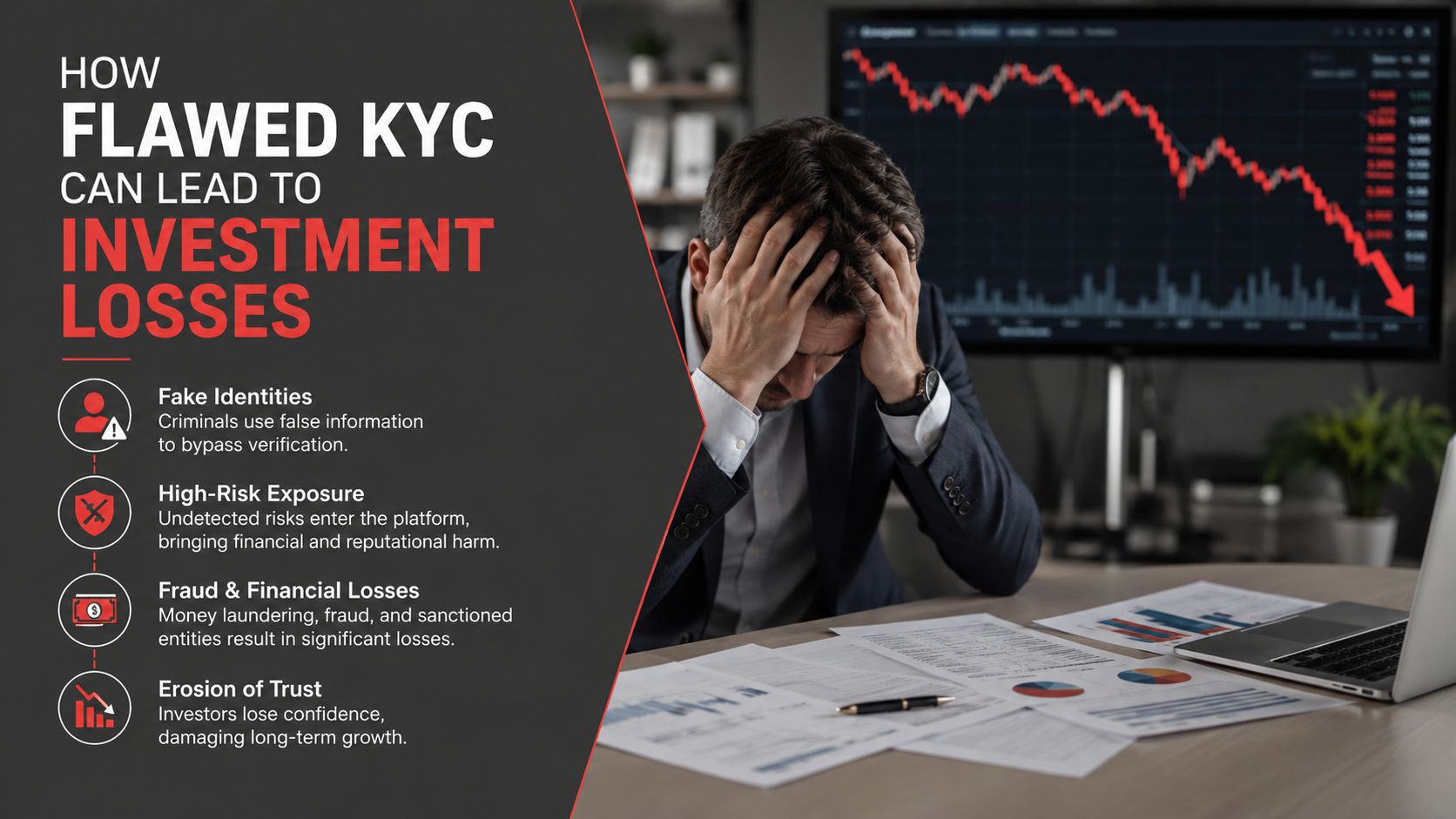
Investors sometimes hear “KYC deficiency” and think of paperwork errors. In practice, those errors can sit directly behind major losses.
A suitability breakdown
An older investor opens an account seeking income and stability. The broker either fails to gather complete profile information or inflates the customer's risk tolerance and net worth on the forms. The account then gets loaded with an illiquid private placement or other speculative product.
When the investment fails, the brokerage firm may argue that the paperwork authorized the recommendation. But if the KYC profile was inaccurate, incomplete, or broker-created, the paperwork can become evidence against the firm rather than protection for it.
An unauthorized trading problem
A different investor opens an account with incomplete identity controls and weak supervision around account permissions. Over time, transactions appear that the investor didn't approve, or the advisor uses discretion that was never clearly authorized.
In those cases, weak KYC and weak account documentation often overlap. The same failures that allowed sloppy onboarding can also allow sloppy authority records.
A cross-border entity failure
Cross-border investments create even more room for trouble. Cogency Global reports that 45% of cross-border KYC reviews fail due to incomplete corporate documentation or unverified UBOs, leading to delays and, in worse cases, enabling fraudulent schemes involving international entities, according to its discussion of cross-border document retrieval and KYC failures.
That matters in alternative investments. A broker may present a non-traded REIT, private placement, or foreign-linked structure as legitimate while the ownership chain remains unclear. If the firm never pinned down who controlled the entity, the investor may have been exposed to risks the firm should have recognized and addressed.
Bad KYC doesn't just make compliance messy. It can open the door to unsuitable sales, unauthorized activity, and fraudulent structures that a careful review might have stopped.
From a litigation standpoint, the key issue is causation. If the broker's failure to know the customer or verify the account structure helped produce the loss, that failure may support a claim for recovery.
Taking Action to Recover Your Losses
If you suspect your broker cut corners on KYC documentation requirements, don't dismiss it as an internal compliance issue. It may be part of the reason the account was mishandled in the first place.
Start by gathering what you have. That includes account applications, new account forms, emails, text messages, account statements, correspondence about trading authority, and any documents you submitted during onboarding. Compare those records to what occurred in the account. Look closely at risk tolerance, investment objective, net worth, liquidity needs, and whether entity ownership was accurately documented.
Many claims against brokerage firms are resolved through FINRA arbitration, not a courtroom trial. Investors who are unfamiliar with that process can review the basics of how to file for arbitration. The forum is different, but the evidence still matters. Inaccurate account-opening records, missing verification steps, and unsuitable recommendations can all become central parts of the case.
If the firm ignored red flags, opened the account on false information, recommended investments inconsistent with your profile, or failed to verify who really controlled a corporate or trust account, those facts may support a recovery claim. The sooner the records are reviewed, the easier it usually is to preserve the evidence and evaluate the available remedies.
If you would like a free consultation to discuss the investment loss recovery process in more detail, call Kons Law at (860) 920-5181 for a FREE, NO OBLIGATION consultation.
